Article on Progressive Web App (PWA)
This article focuses on the key points about Progressive Web Apps (PWAs) that was delivered on the 19th of February. A PWA is a modern web technology that bridges the gap between traditional websites and native mobile applications. The objective was to introduce key concepts, features, and implementation techniques of PWAs while highlighting their benefits for web developers and users alike.
Find the slides below.
What is a Progressive Web App (PWA)?
A Progressive Web App is a type of web application that is designed to provide a native app-like experience using modern web technologies. Unlike traditional websites, PWAs can function offline, load quickly, and deliver push notifications, making them highly interactive and user-friendly. Since they are accessible through web browsers, they eliminate the need for app store installations, making them easier to distribute.
Key Features of PWAs
- Progressive Enhancement – PWAs work for every user, regardless of the browser or device they use.
- Responsive Design – They adapt seamlessly to different screen sizes and resolutions.
- Offline Functionality – Through caching and service workers, PWAs can load even when there is no internet connection.
- App-Like Experience – They mimic native apps with smooth interactions and transitions.
- Push Notifications – PWAs can send updates to users, improving engagement.
- Fast and Reliable – Efficient caching allows them to load quickly, even on slow networks.
- Secure – PWAs run on HTTPS, ensuring a secure connection and preventing unauthorized access.
- No App Store Required – Users can install PWAs directly from the web, bypassing app stores.
How PWAs Work (Three main components define a PWA)
- HTTPS Protocol – Ensures a secure connection, protecting user data.
- Manifest.json File – Contains metadata such as the app name, icons, theme colors, and display mode, helping browsers understand how the app should appear and behave.
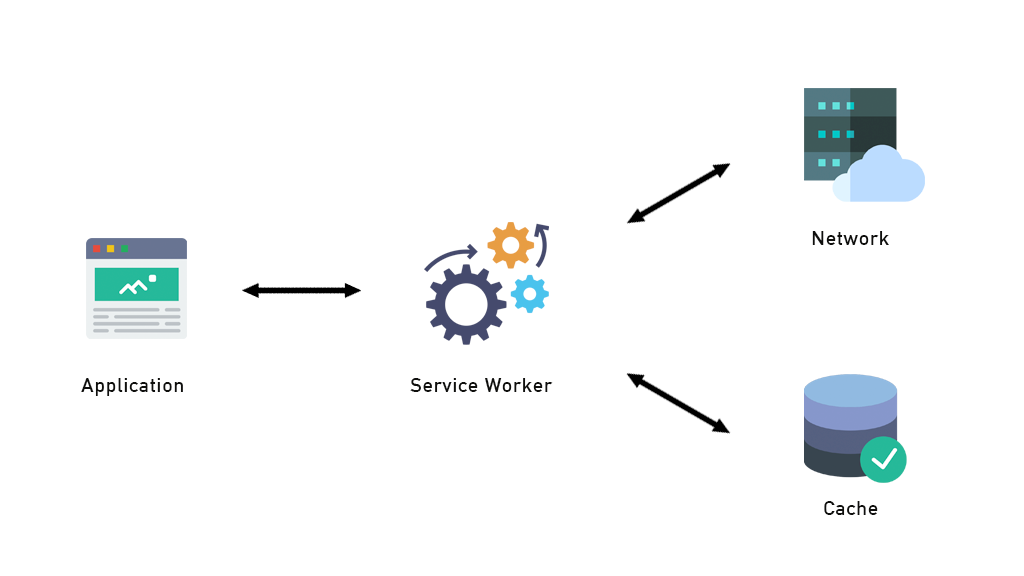
- Service Workers – These are JavaScript files that run in the background and manage caching, push notifications, and offline functionality.
Manifest.json
The manifest.json file is a critical component of a PWA, serving as a configuration file that provides metadata about the application. It helps browsers understand how the PWA should behave when installed on a user’s device, allowing for a more native app-like experience.
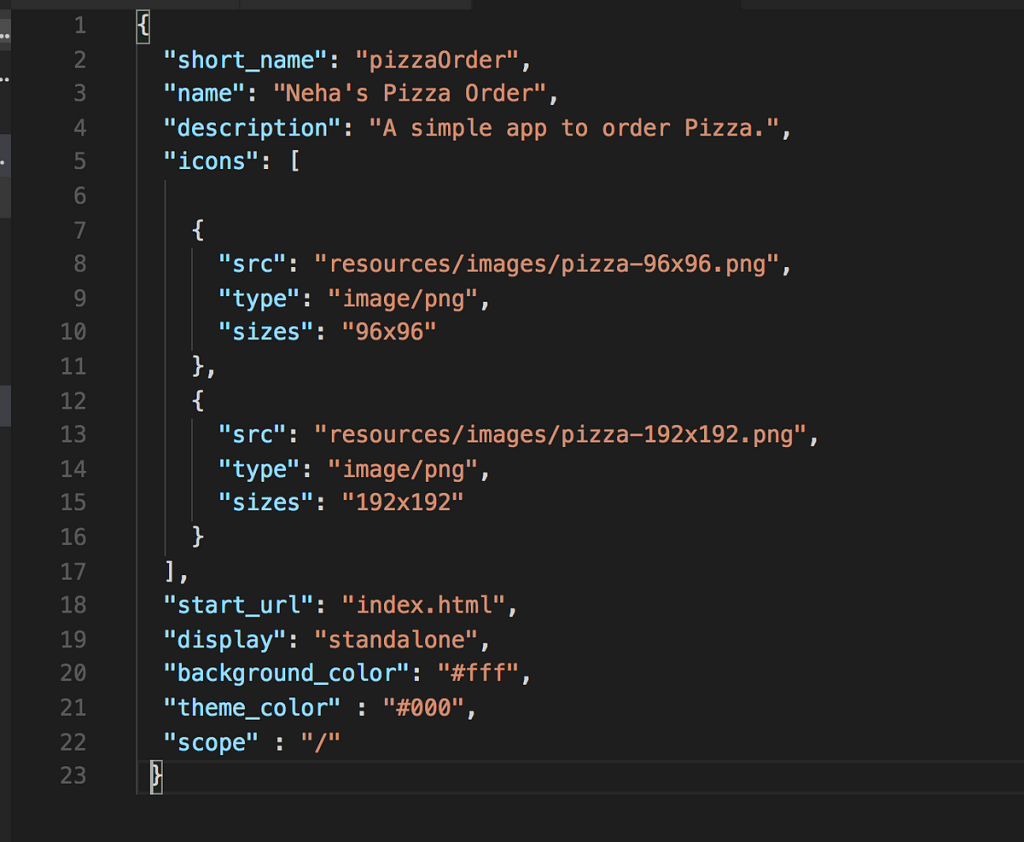
Name and Short Name: The full and abbreviated names of the app, displayed on the home screen.
Start URL: Defines the entry point of the app when launched.
Display Mode: Controls whether the app appears in fullscreen, standalone, or browser mode.
Icons: Specifies the images used when the PWA is added to the home screen.
Theme and Background Colors: Helps set the visual styling for the splash screen and app appearance.
Service worker
Service Workers act as a middle layer between the application, the network, and the cache, enabling efficient resource management and offline functionality. As shown in the image, a Service Worker intercepts network requests from the application and determines whether to serve cached content or fetch new data from the network. This mechanism allows PWAs to load faster, function offline, and improve performance, making them a key feature of modern web applications.
Pros of PWAs
- Increased Accessibility – Users can access PWAs across different devices without the need for installation.
- Reduced Development Costs – Since PWAs work across platforms, developers do not need to create separate apps for iOS and Android.
- Better Performance – Faster loading times and offline capabilities lead to improved user satisfaction.
- Improved Engagement – Push notifications and home screen installation make users more likely to interact with the app.
- SEO Benefits – Unlike native apps, PWAs are indexed by search engines, increasing their discoverability.
Examples of Successful PWAs
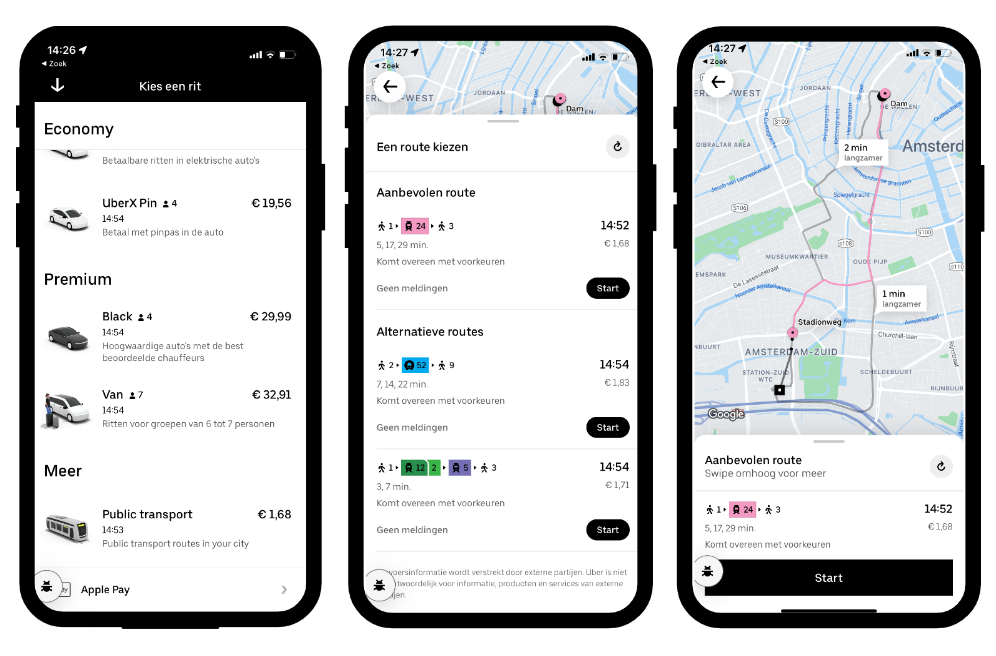
Uber – Provides a fast, app-like experience even on low-end devices.
Pinterest – Their PWA increased engagement and reduced bounce rates.

Conclusion
Progressive Web Apps are revolutionizing the way users interact with the web, offering a seamless blend of web and mobile app functionalities. With advantages like offline accessibility, push notifications, and enhanced performance, PWAs are set to become the standard for web applications. As more businesses recognize their potential, PWAs will continue to shape the future of web development, making the digital world more accessible and efficient for everyone.